Operationalising Venture-Backed Technology Businesses
WonderBill & FarePilot | Shell / BCG Digital Ventures
I was engaged to support the operational development of two venture-backed technology businesses created through collaboration between BCG Digital Ventures and Shell's innovation teams.
The ventures formed part of a wider innovation environment exploring disruptive technologies across consumer services, mobility and emerging digital platforms.
Two businesses progressed from concept into operational delivery:
WonderBill — a consumer fintech platform bringing household bills and subscriptions together and helping customers identify opportunities to switch and save.
FarePilot — a mobility technology venture using data, advanced analytics and machine learning to help professional drivers identify areas of customer demand.
My role sat across the intersection of business operations, infrastructure, stakeholder coordination and organisational development, helping bridge the gap between startup agility and the requirements of large corporate organisations.
Building businesses within businesses
The challenge was not simply launching two startups.
These were new technology businesses that needed the freedom, culture and pace to attract specialist talent, develop products and scale rapidly, whilst operating within the governance, security and infrastructure requirements associated with two major global organisations.
The engagement required close collaboration across four interconnected groups:
The venture leadership teams
BCG Digital Ventures
Shell's innovation and technology teams
External operational and technology partners
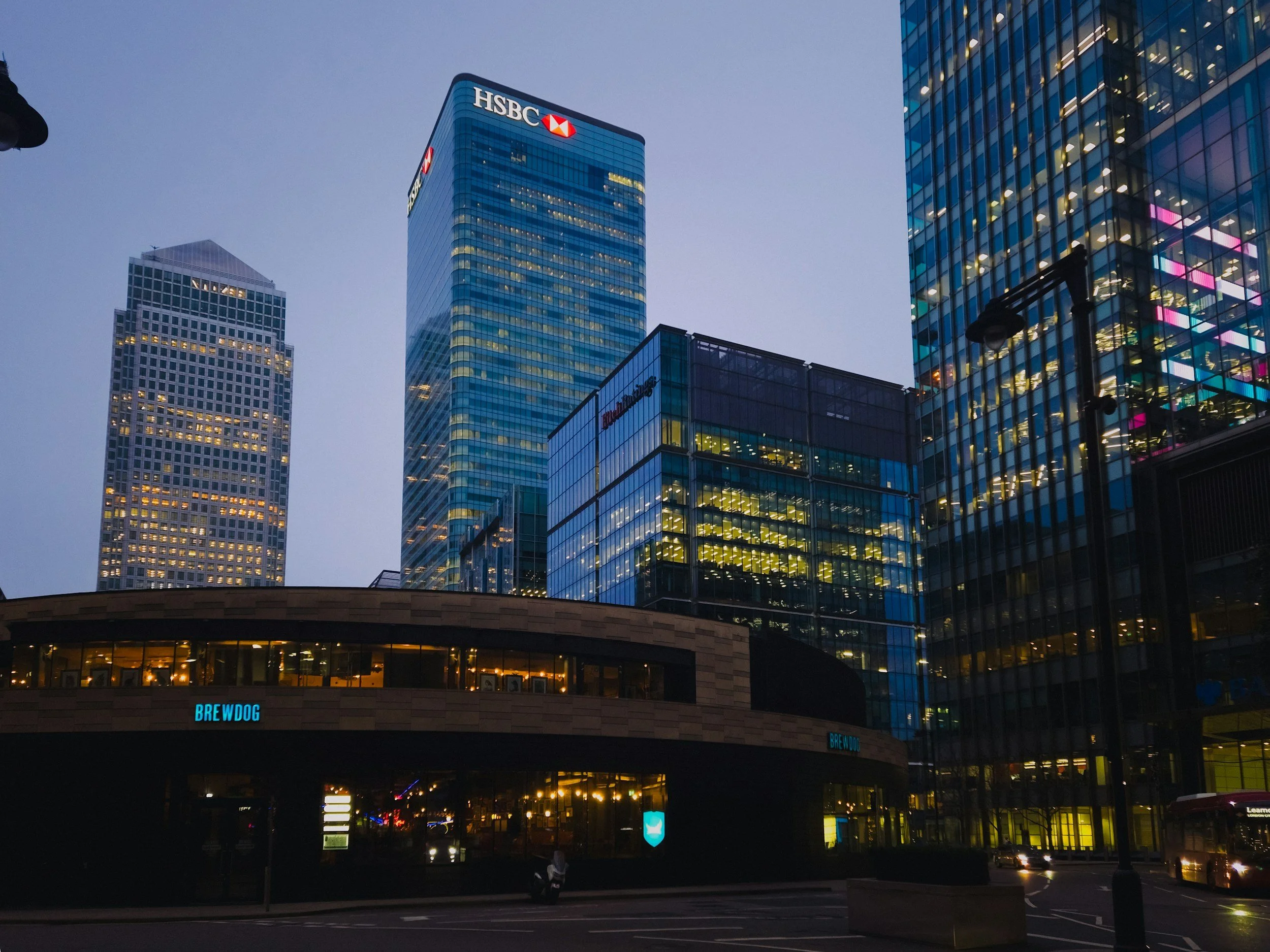
What began in a small office off Oxford Street evolved into the operational transition of both ventures to Canary Wharf, where they occupied dedicated space within a Shell-occupied building.
That transition brought a different level of operational complexity.
The ventures needed their own identity, working environment and ways of operating while appropriate corporate controls, infrastructure, commercial arrangements and operational resilience remained in place.
“During my time at Royal Dutch Shell, I became CEO of a tech startup collaboration joint venture, during which Simon’s knowledge and expertise were invaluable during some complex and at times, very stressful periods. ”
Scope of engagement
I led and coordinated operational activity across:
Workspace and facilities development
Operational infrastructure
Technology and IT coordination
Supplier and service integration
Contracts and service arrangements
Operational scaling support
Stakeholder coordination across the ventures, BCG Digital Ventures and Shell
Governance alignment
Operational separation between corporate and venture environments
The work required practical solutions that protected the speed and independence of the ventures without losing the governance and operational resilience expected within the wider corporate environment.
It was a fast-moving and commercially demanding environment involving multimillion-pound venture investment and businesses being developed with significant scale ambitions.
From venture creation to standalone operations
As the businesses developed, the operational model had to evolve with them.
Infrastructure, suppliers, workspace, systems and responsibilities needed to support increasingly established businesses rather than temporary innovation projects. This included creating arrangements capable of supporting separate operating requirements, including customer service capability, while allowing each venture to develop its own management structure.
By the completion of the engagement, both ventures had developed the operational infrastructure and leadership capability required to function with dedicated management teams and scalable operating models.
The work had moved from helping two ideas become operational businesses to creating the conditions in which those businesses could continue developing independently.
Sometimes delivery means simply solving the problem
One small example captured the nature of the environment particularly well.
When conventional corporate channels had been unable to secure the FarePilot domain required by the business, I found an alternative route, secured it directly and avoided unnecessary cost and delay.
It wasn't a major transformation project in itself. It was simply something the business needed to move forward — and it needed someone to make it happen.
That same practical approach ran throughout the engagement.
New ventures require more than good ideas.
Turning an idea into a functioning business requires strategy, people, infrastructure and relentless practical delivery. If you're building, scaling or transforming an organisation, let's talk about what needs to happen next.